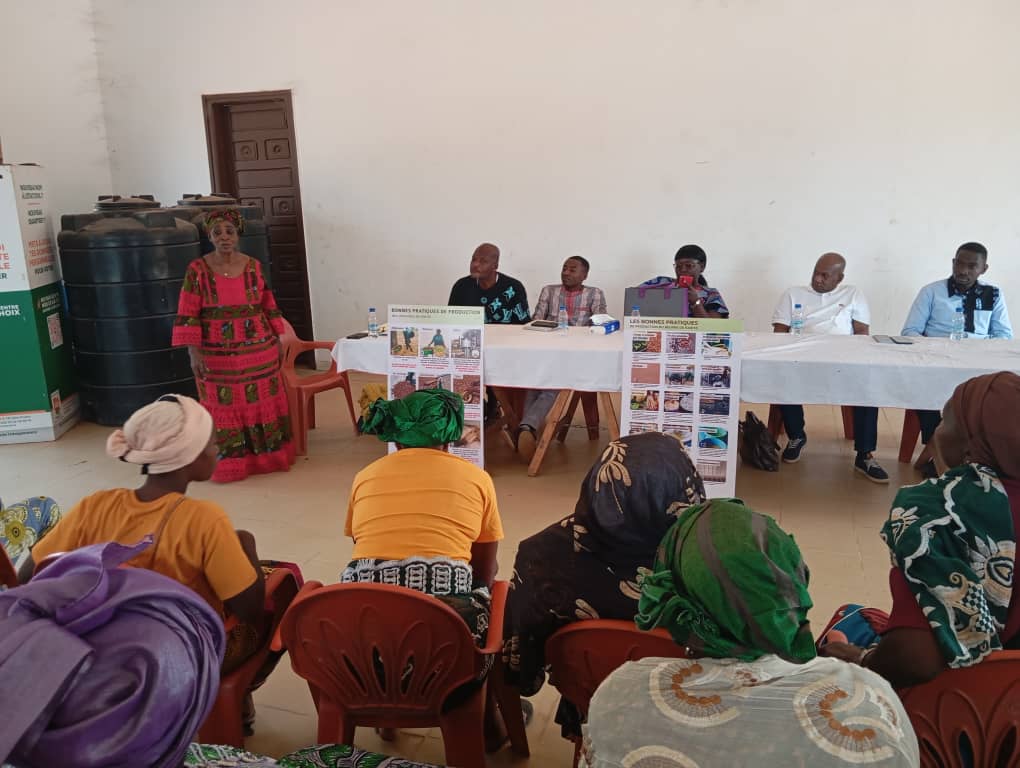
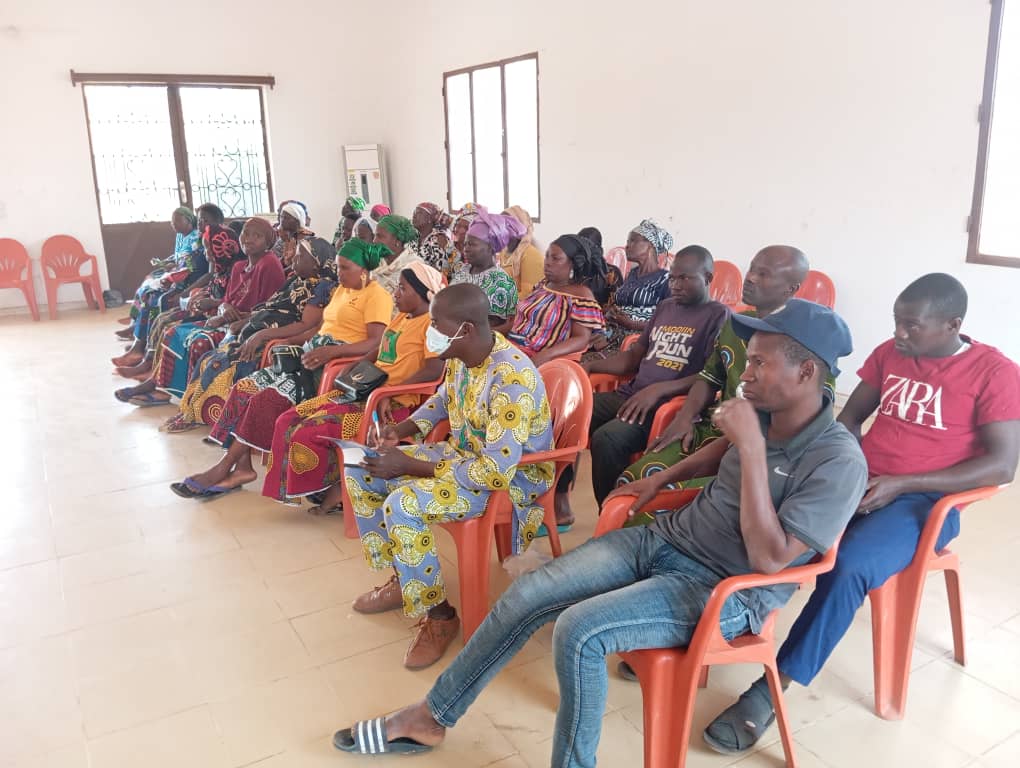
Protecting Shea Nut farmers from climate risks
BY BLUE MARBLE MICRO
REGION
Africa
INDUSTRY
Agriculture
PARTNERS
Agribusiness
CATEGORY
Modeling
SERVICE
Insurance
RISK
Drought, Excess Rainfall, High Wind
STRUCTURE
Meso
IMPACT
Climate resilience and adaptation, Income stability
Challenge
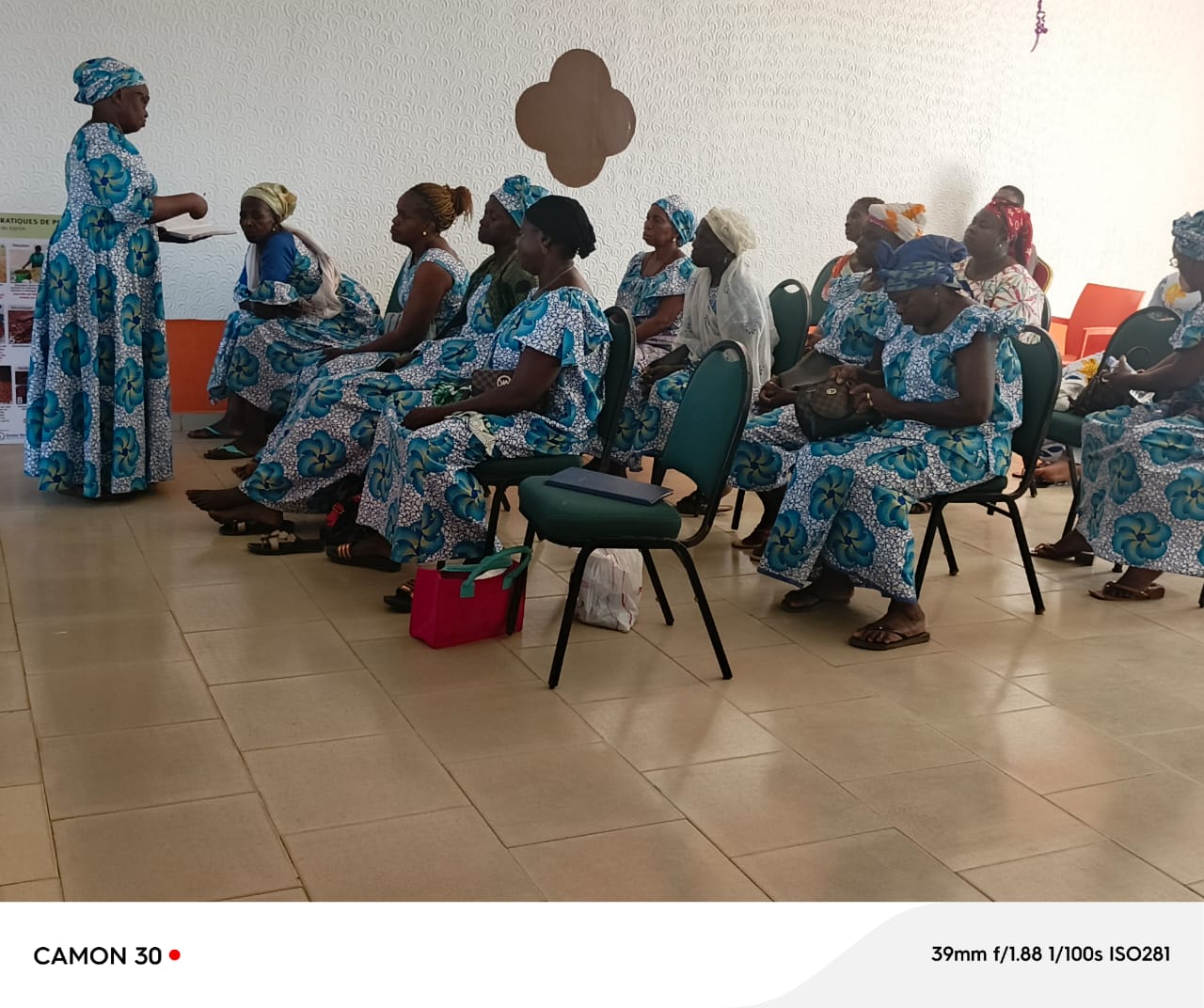
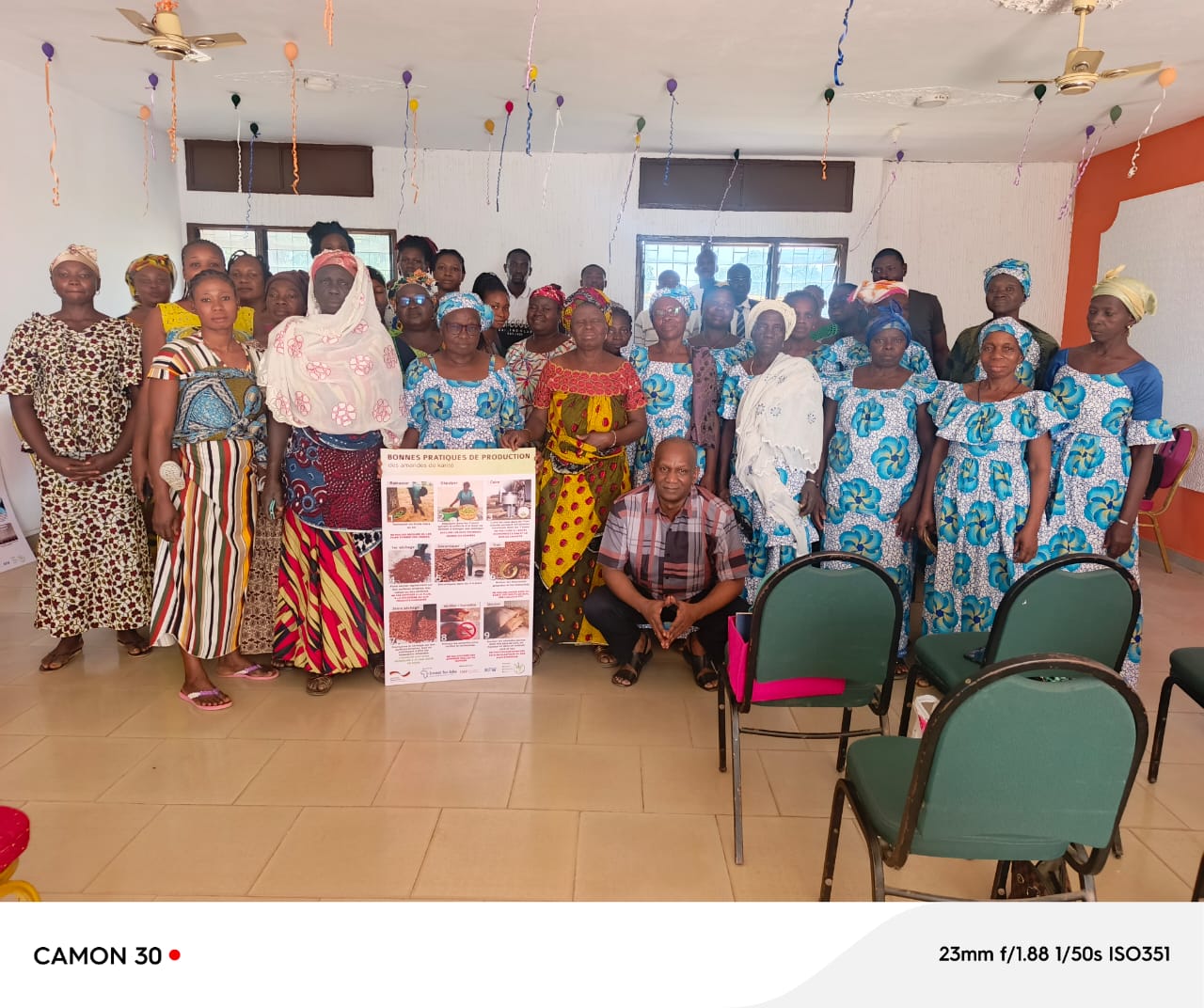
Shea is a vital source of income for rural women across West Africa, with millions relying on the collection and processing of shea nuts to support their families. Various regions are deeply dependent on this crop, yet increasingly exposed to climate risks. Drought, excess rainfall, and high winds threaten yields, disrupt collection cycles, and reduce the quality of nuts. For women farmers who rely on this seasonal income to pay school fees, buy food, and invest in local businesses, these shocks can collapse livelihoods. Although global demand for shea continues to grow due to demand from food and cosmetic industries, climate instability impacts farmers’ ability to meet this demand.
Solution
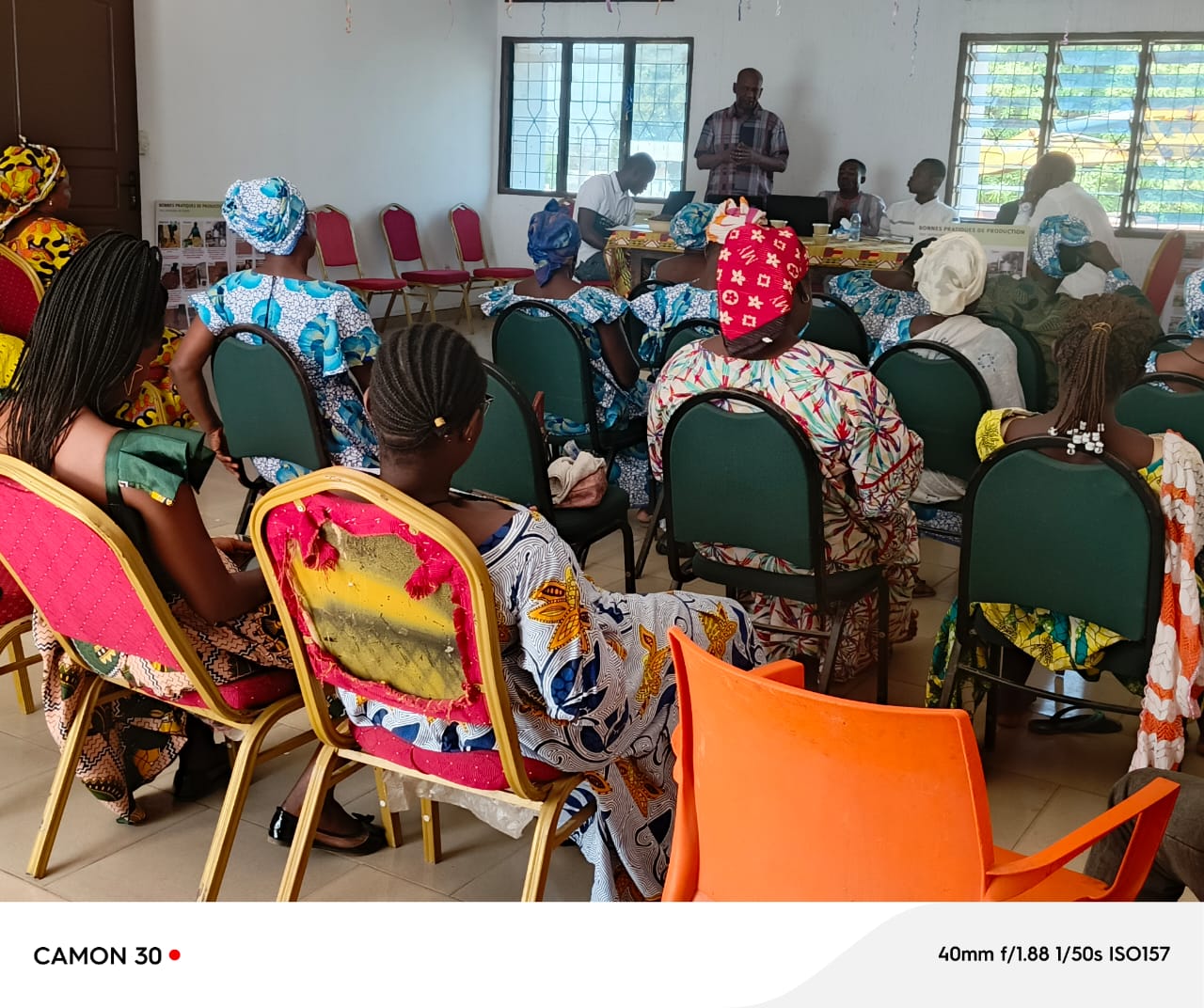
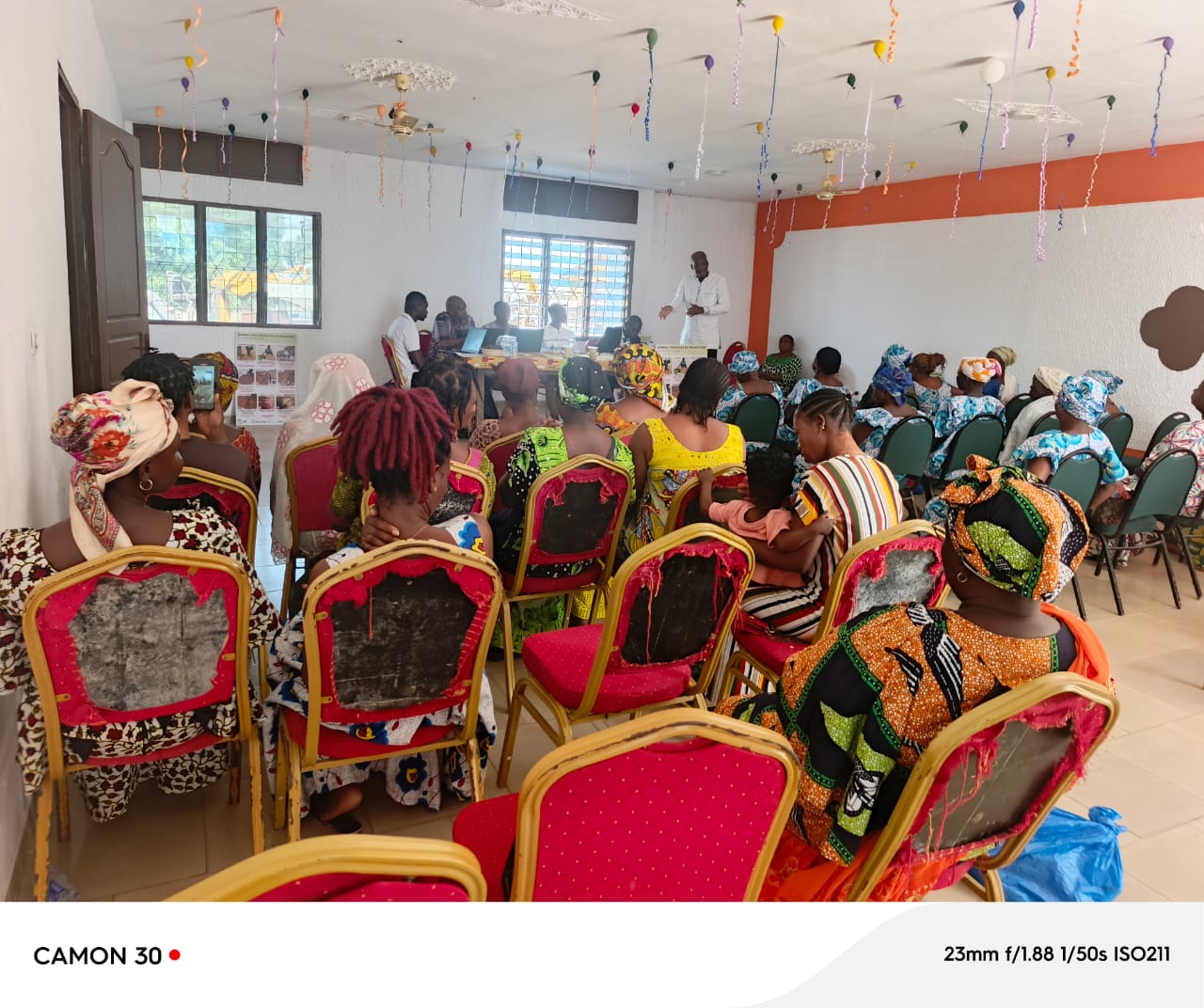
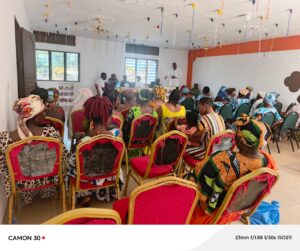
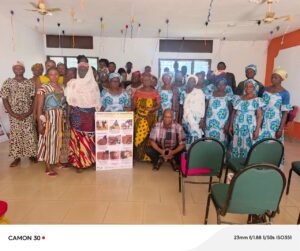
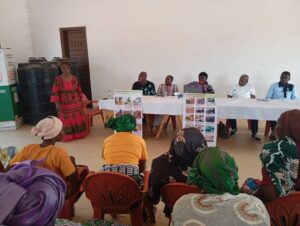
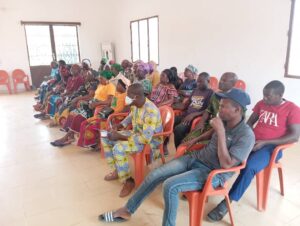
To address these challenges, Blue Marble partnered with an agribusiness to pilot a climate insurance product designed specifically for women shea nut farmers for coverage against drought, excess rainfall, and high winds during critical phases of nut collection and processing. The product was crafted to match the realities of farmer cash flows, ensuring payouts provided timely relief when climate shocks struck. By protecting harvest income, the insurance allows farmers to maintain household stability, continue paying school fees, and reinvest in their small businesses.
“With the last payout, I invested in fertilizers so that with good weather, I can have a good harvest. Else, we’d have needed loans, or our coffee production would’ve suffered.”
- Coffee Farmer
“I have talked to my neighbors, friends and family members about how [insurance] is a safety net that allows us to cultivate coffee with more peace of mind.”
– Coffee Farmer
“With [insurance], this catastrophic year we could pay the debt that we had for our fertilizers, giving us a clean slate for next season.
– Coffee Farmer
“We signed up for the insurance for our benefit. When we are given a solar light, we save on electricity, when there is no electricity we use the solar light, if we go to fields we take it with us, and we can educate our kids when there is no electricity. For all these types of work, the solar light is useful. If we get any sickness in this type of heat, then the money can be used for medicines or we can choose to stay inside. In these situations, the insurance is helpful.”
– NGO member
"Before I had parametric insurance, I was always worried about bad weather ruining my crops. But after joining, I feel much more secure. The insurance is easy to understand, and I know I’m protected if the weather is bad. Now I can focus on my farm without always worrying."
– Cocoa Farmer